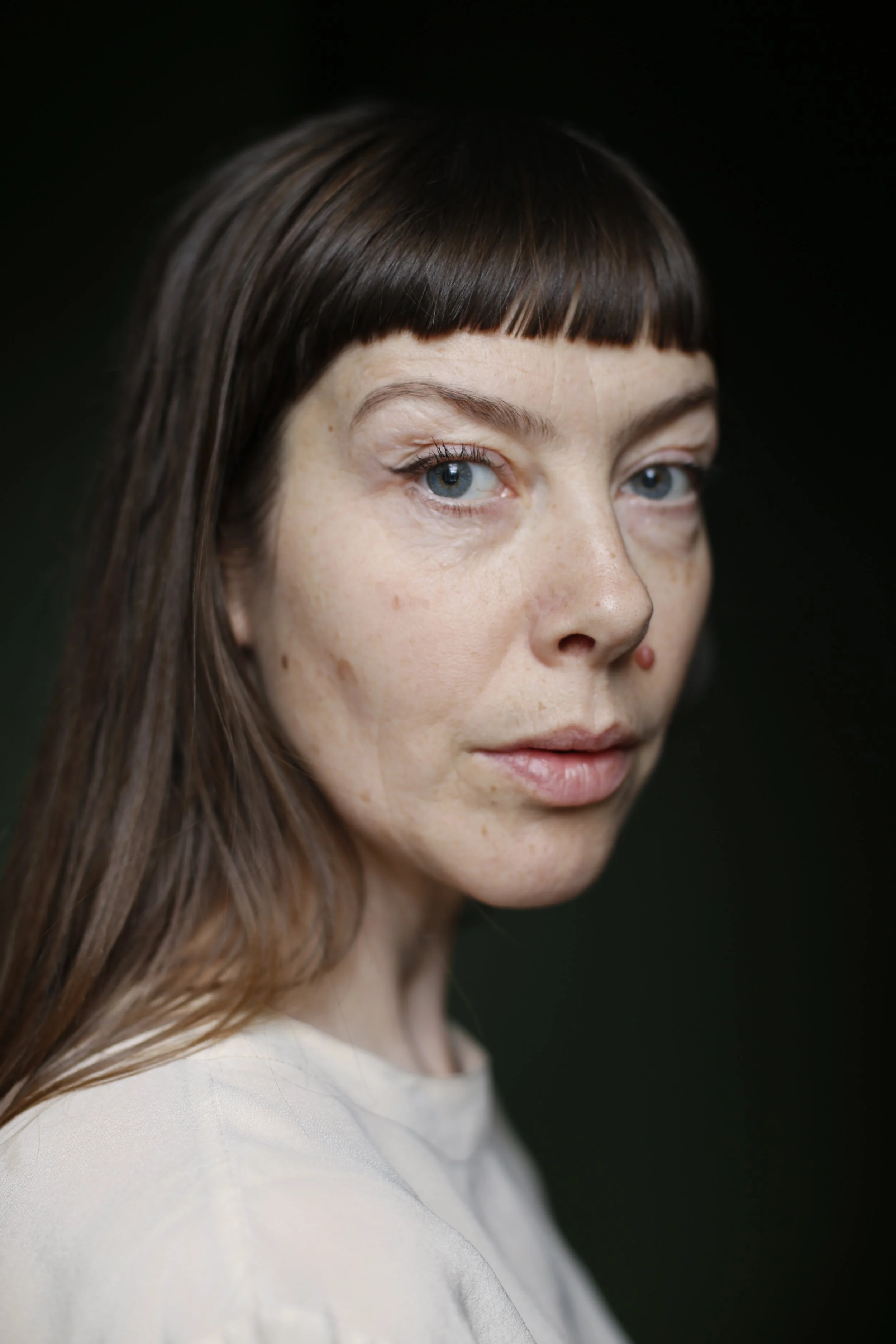
Polly Penrose
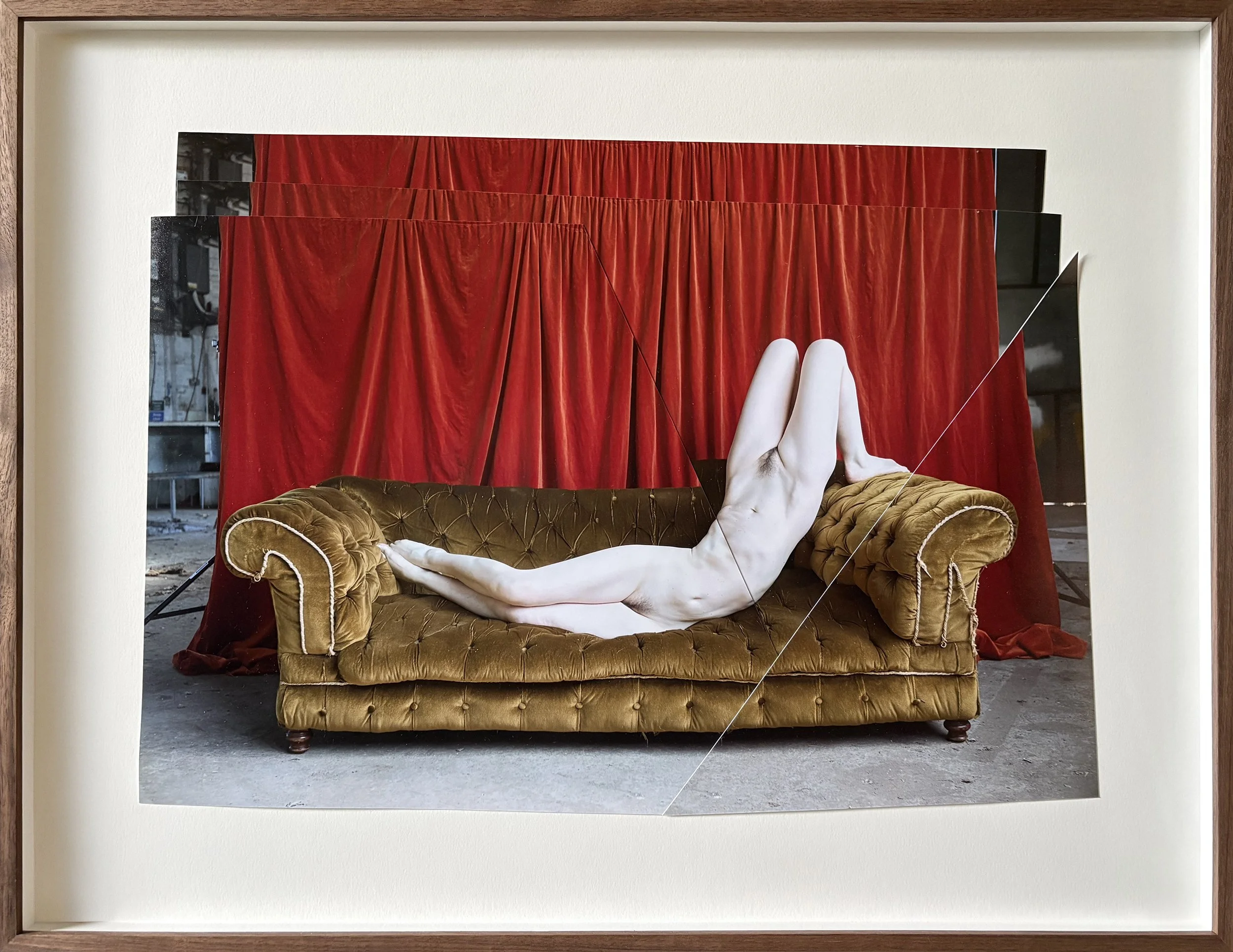
Polly Penrose’s self-portraits explore themes of identity at the intersection of the physical and emotional self, using her own body as both the subject and the medium. She contorts and positions herself in unusual, often precarious ways that challenge traditional representations of the human form.
The environments she chooses, such as abandoned buildings, unfurnished domestic spaces play a significant role. Penrose interacts with these spaces with her body, emphasising contrast, harmony, or discord between the human form and the spaces it occupies. The atmosphere of her surroundings feed into the work. Her poses often appear uncomfortable, underscoring the idea of adaptation, struggle or belonging.
Often pictured holding a remote, her self-portraits examine the complexity of femininity, presenting the body in raw, candid ways that couple vulnerability with humour, strength with discomfort, encouraging viewers to confront their own perceptions of self. Penrose’s use of her nude body is central to her art. She uses it not for sensuality but as a sculptural and symbolic element, an object or a shape, becoming a linear or lumpen feature in her chosen landscape.
Her pictures are a microcosm of how we fit, fold ourselves, change our shape to squeeze into the myriad of roles we are expected to play.
-
![]()
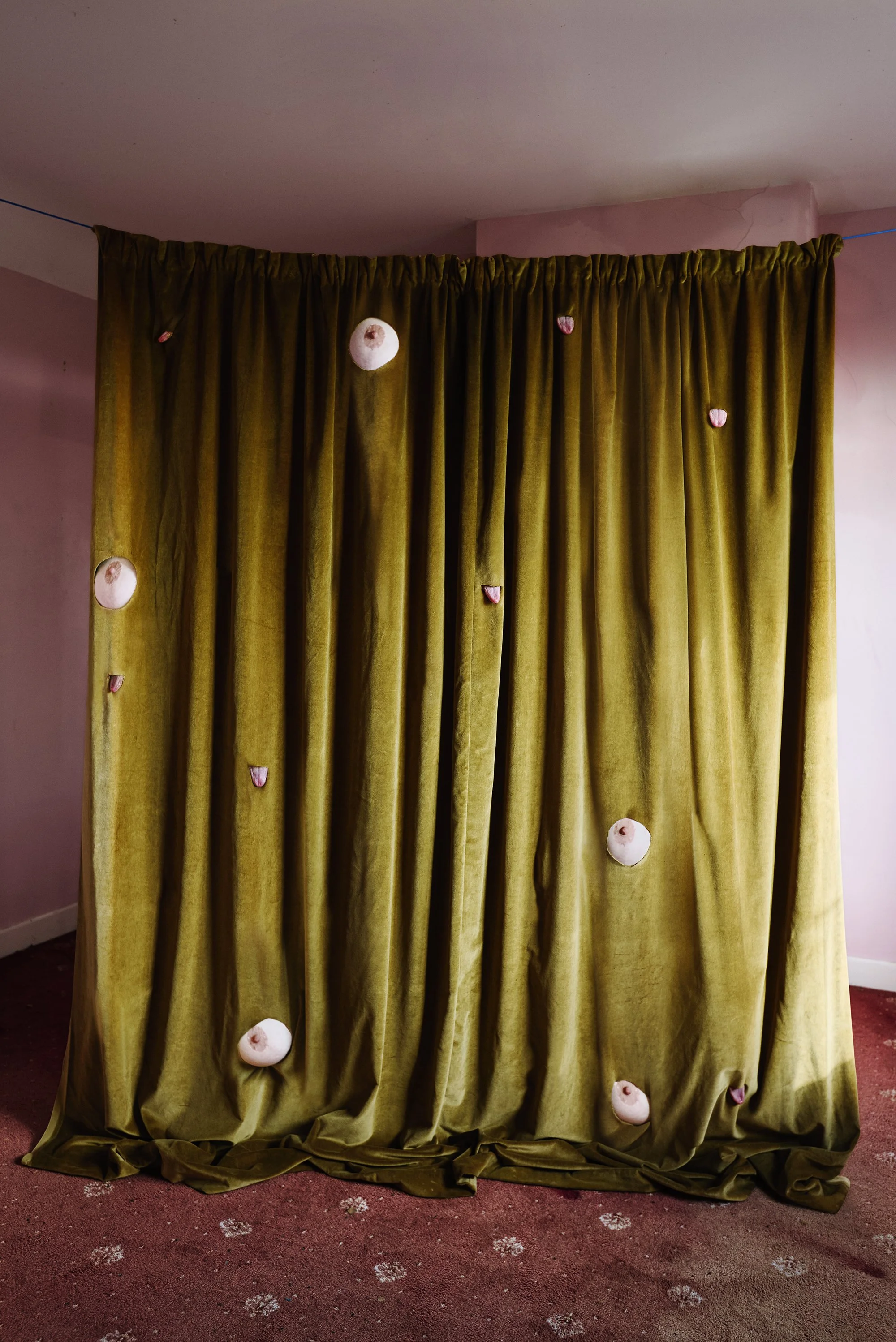
Tits and Tongues
2024
Giclee print on Hahnemühle Fine Art Photo Rag Baryta
Ed: 1 of 10
45 x 30cm
Framed
£950
£2450 (curtain set of 3) -
![]()
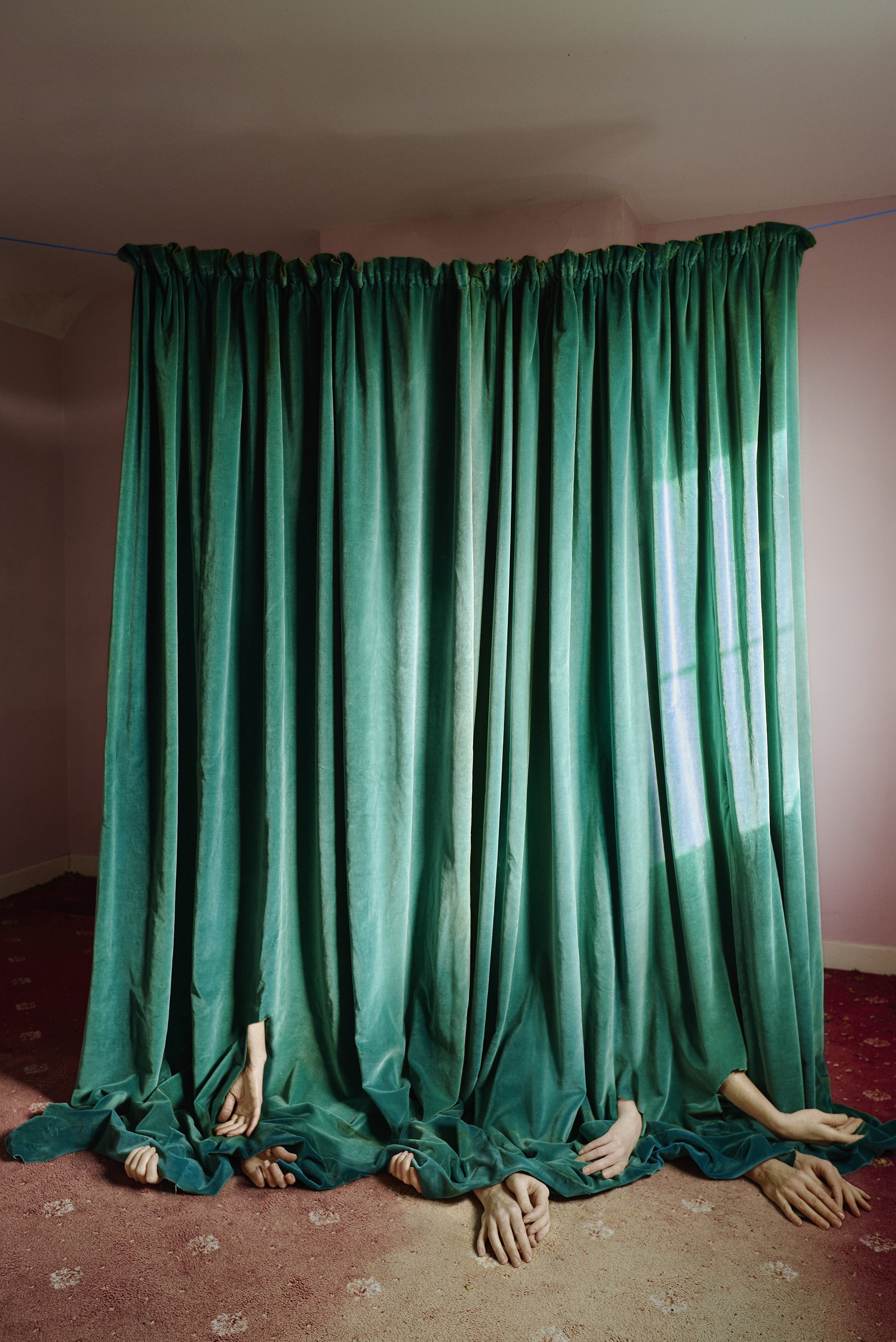
Out of Hand
2024
Giclee print on Hahnemühle Fine Art Photo Rag Baryta
Ed: 1 of 10
45 x 30cm
Framed
£950
£2450 (curtain set of 3) -
![]()
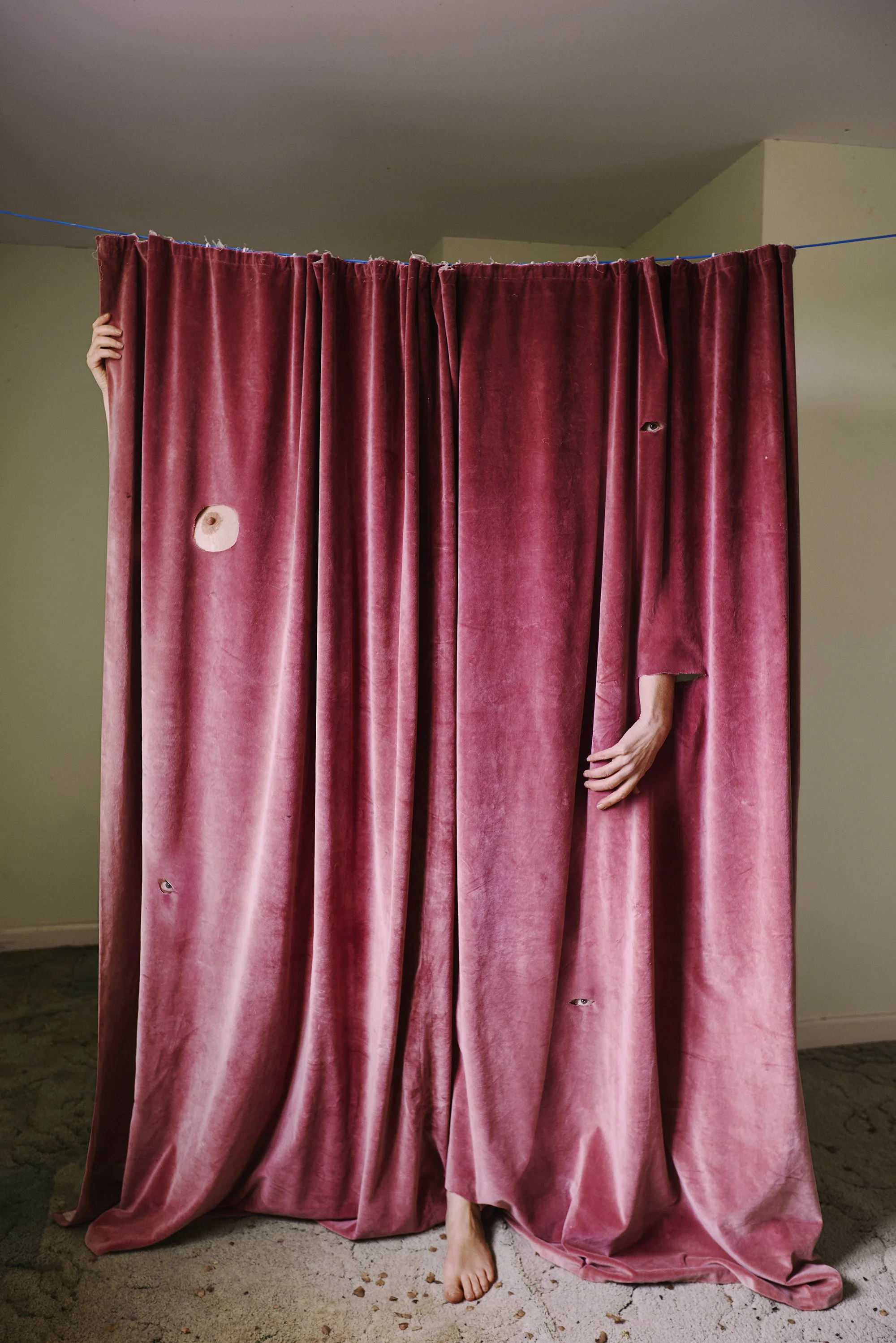
I Spy
2024
Giclee print on Hahnemühle Fine Art Photo Rag Baryta
Ed: 1 of 10
45 x 30cm
Framed
£950
£2450 (curtain set of 3) -
![]()
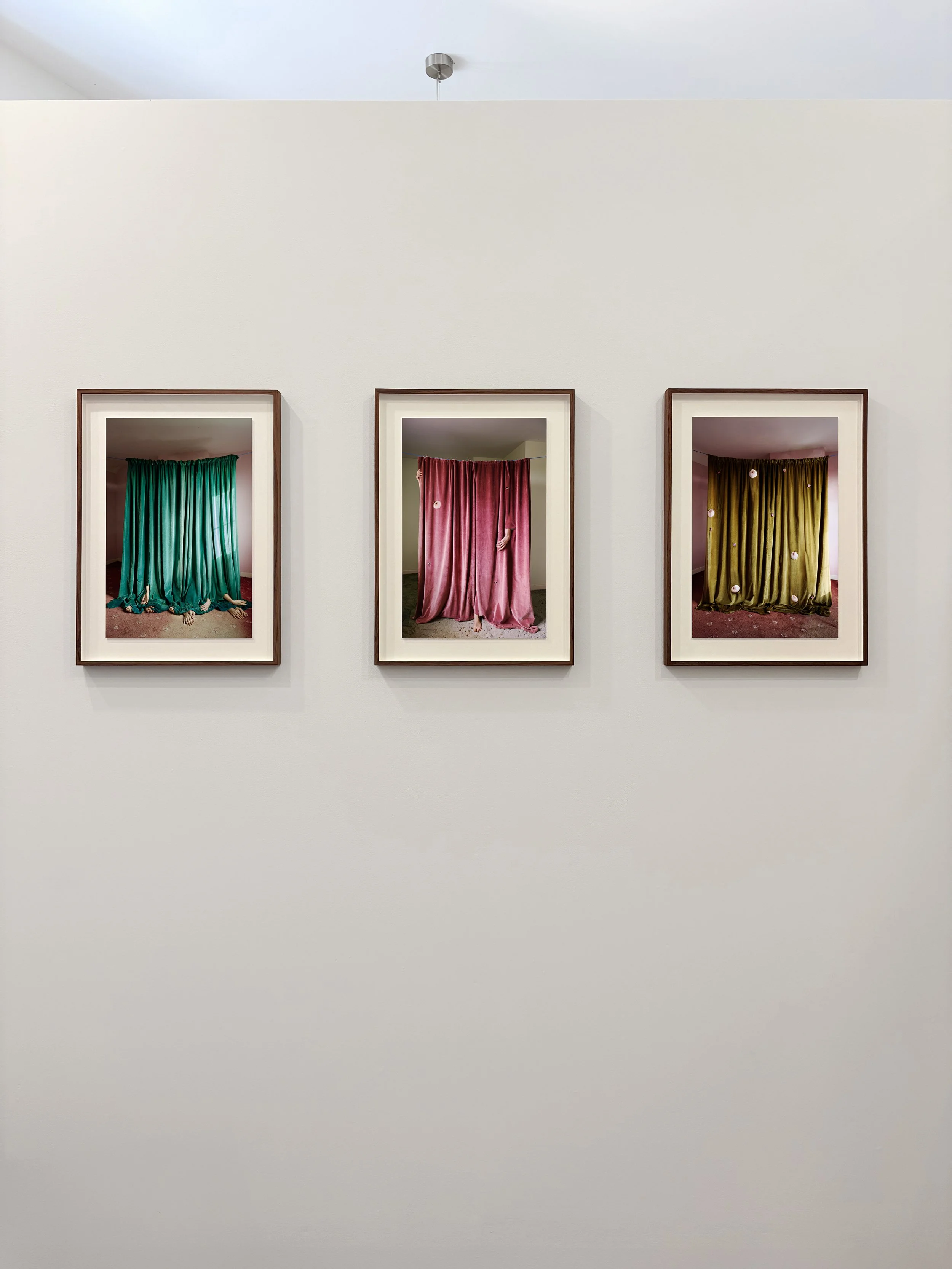
Framing by Wax Fine Art Framing
-
![]()
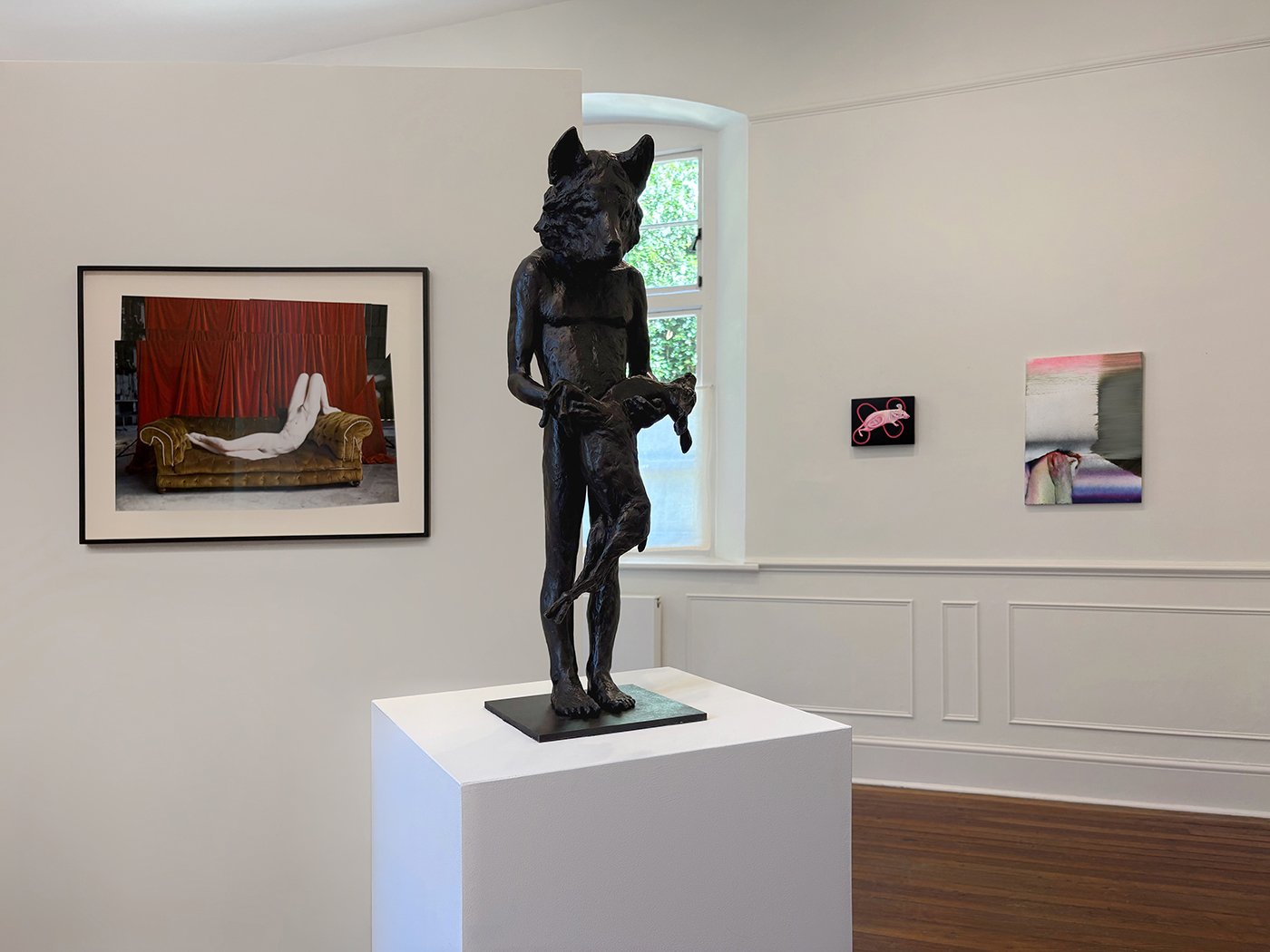
Reclining Nude
2026
Giclee collage on Hahnemühle Fine Art Photo Rag Baryta
Ed: 1 of 3
Framed
73 x 90cm £3000
35 x 47cm £1500 (shown) -
![]()